
Thursday, January 9, 2025
From Crypto Myths to DeFi Success: Part 1 — Understanding the Foundations of a Profitable Crypto Business in Just One Hour a Day
"Put your money to work," "earn passive income," "cryptocurrencies are the future."
Let's cut through the noise. If you're spending hours every day glued to the markets, the one working is you. Frequently managing your portfolio is anything but passive. If you're looking for get-rich-quick schemes or to fall in love with the latest hype projects, this article isn't for you.
Back in 2017, when I first dipped my toes into the crypto world, I bought into all those stories — and lost a significant amount of money. Fortunately, along the way, I learned how the market really works.
In this article, I'll share with you the practical steps to build a profitable and scalable business in the world of decentralized finance (DeFi) by dedicating just one hour a day. You'll provide a valuable service and get paid for it, much like any traditional business. Specifically, we'll focus on offering liquidity — a cornerstone service in the DeFi ecosystem.
Why Read This Article?
The crypto space is rife with myths and misconceptions. Promises of effortless wealth and passive income abound, but the reality is far from it. Managing investments in cryptocurrencies requires time, knowledge, and effort. This article aims to dispel those myths and provide you with concrete tools to build your own DeFi business consciously and effectively.
What You'll Gain
By the end of this article, you will:
- Understand the Reality of the Crypto Market: We'll move beyond the typical clichés and dive into how the market truly operates.
- Learn How to Create a Profitable DeFi Business: You'll discover how to provide liquidity services and earn returns without relying on the market's upward movements.
- Design a Business Plan and Cash Flow: Tailored to your investor profile, objectives, and available time.
- Implement an Efficient Routine: Manage your business effectively by dedicating approximately one hour a day.
- Avoid Common Pitfalls: I'll share my experiences, including mistakes I've made and how I overcame them, so you can sidestep the same traps.
Who Is This Article For?
This article is intended for those who have some familiarity with the crypto world. You don't need to be an expert, but you should know how to buy cryptocurrencies, perform exchanges, and send them to a wallet. If you're interested in investments, business strategies, and numbers — even if you're not deeply versed in crypto — you'll find this content valuable.
What This Article Is Not
Let's be clear about what you won't find here:
- No Magic Methods to Get Rich Quick: There are no shortcuts; success requires time and effort.
- No Foolproof Trading Techniques: This isn't a trading guide, nor will it teach you to predict the future.
- No Unrealistic Passive Income Strategies: While we'll optimize your time, you'll still need to dedicate a few hours each week.
- No Promises of 100x Returns on a Single Investment: We'll focus on realistic and sustainable strategies.
Embarking on Your DeFi Journey
Providing liquidity in DeFi is akin to offering a service in any other business. When a user wants to exchange one cryptocurrency for another — say, Bitcoin for Ethereum — they need liquidity. They require an exchange where they can deposit their Bitcoin and receive Ethereum in return. By supplying this liquidity, you enable these transactions to happen smoothly, and in return, you earn a fee.
Here's a simplified diagram of how this works:

By the end of this article, you'll understand how to position yourself effectively as a liquidity provider, how to manage risks, and how to build a sustainable business model around it.
Let's Get Started
You're about to embark on a journey that will not only provide you with technical knowledge but also a deep understanding of how to navigate the complex world of decentralized finance. Get ready to challenge preconceived notions, learn practical strategies, and, most importantly, build a business that aligns with your goals and values.
Let's dive in!
What You'll Learn from This Article
In this article, I will guide you step by step on how to create your own business in the world of decentralized finance (DeFi), specifically focusing on providing liquidity and earning profits in return. Through a combination of theory and practical insights, you'll learn to design, execute, and optimize a strategy tailored to your needs and objectives.
Learning Objectives
By the end of this article, you will be able to:
- Build a Profitable and Scalable DeFi Business: Understand how to provide liquidity services in decentralized exchanges and receive fees for your contribution, much like any other business that offers a service and earns income.
- Design a Personalized Business Plan and Cash Flow: Learn how to set your financial goals, assess your investor profile, and create a plan adapted to your available time and capital.
- Implement an Efficient Routine: Discover how to manage your business by dedicating approximately one hour a day, without the need to constantly monitor the market.
- Comprehend the Reality of the Crypto Market: Move beyond myths and empty promises to focus on how the market truly operates and how you can leverage it intelligently.
- Avoid Common Mistakes and Learn from Real Experiences: I will share my own errors and lessons learned since 2017, so you can avoid them and progress more quickly.
1. What This Article Covers
Here is an overview of the main sections and topics we will explore:
1.1. Deep Understanding of the Crypto Market
- The Real Functioning of the Market: We'll analyze how cryptocurrencies truly operate, beyond appearances and trends.
- Market Cycles Analysis: Understand the phases the market goes through and how they affect your investments.
- Factors Influencing Cryptocurrency Prices: Explore what drives price movements and market sentiment.
1.2. Liquidity Pools and Decentralized Exchanges
- Basics of Liquidity Pools: Learn what they are and how they function.
- Market Maker vs. Automated Market Maker (AMM): Understand the differences and advantages of AMMs.
- Uniswap v1, v2, and v3: Explore the features and improvements of each version.
- How Swaps and Routing Work: Gain insight into the mechanics behind token swaps and how routing affects liquidity providers.
1.3. Risks and How to Mitigate Them
- Impermanent Loss: Grasp this key concept and how to minimize its impact.
- Security Risks: Learn about hacks, rug pulls, honeypots, and how to protect yourself.
- Emotional Management: Discover how to control emotions that can affect your decisions.
- Tools to Analyze and Avoid Risks: Utilize resources to assess potential investments and safeguard your assets.
1.4. Designing Your DeFi Business Plan
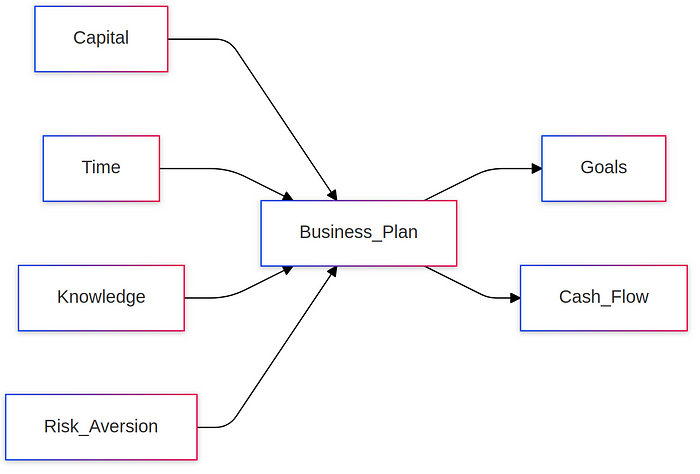
- Investor Profile Evaluation: Assess your capital, available time, knowledge level, and risk aversion.
- Setting Clear and Achievable Goals: Establish realistic objectives to guide your strategy.
- Creating Your Cash Flow Model: Design how money will move within your business.
1.5. Executing the Plan
- Creating and Organizing Wallets: Configure your crypto wallets and structure them for different purposes.
- Adding Liquidity: Practical steps to provide liquidity on decentralized exchanges.
- Selecting Appropriate Tokens and Pools: Criteria for choosing where to allocate your resources.
- Conservative and Advanced Strategies: Adapt your approach based on your profile and objectives.
1.6. Managing and Monitoring Your DeFi Business
- Tracking and Analysis Tools: Use applications and platforms to keep control of your investments.
- Efficiently Monitoring Your Investments: Strategies to stay updated without consuming excessive time.
- Adapting Strategies to Market Conditions: Adjust your tactics according to current trends and data.
- Organization and Record-Keeping: Maintain accurate records to assess performance and make informed decisions.
1.7. Continuous Optimization and Improvement
- Backtesting: Learn how and why to test your strategies using historical data.
- Identifying and Seizing New Opportunities: Stay informed about new projects and trends in DeFi.
- Hedging and Advanced Strategies: Explore techniques like delta-neutral strategies to protect your investments.
1.8. Structured Routine and Planning
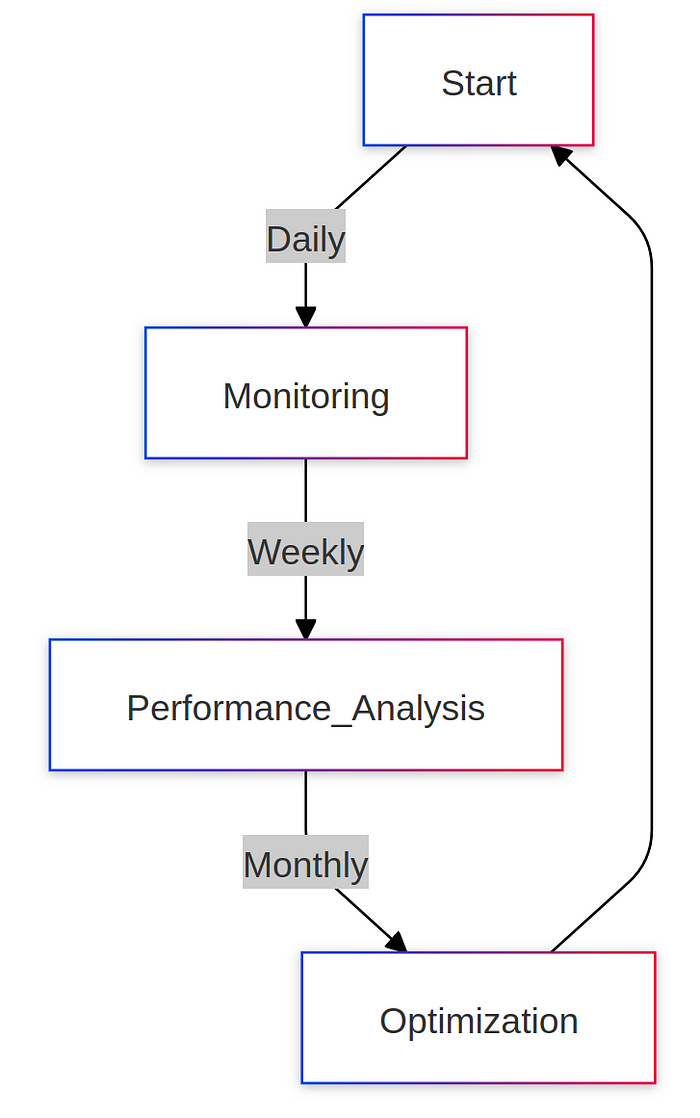
- Planning Your Routine: Design a schedule that allows you to manage your business efficiently.
- Activity Flow Diagram: Visualize the sequence of tasks to keep everything under control.
1.9. Next Steps and Additional Resources
- Continuing Education: Guidance on how to further deepen your knowledge in DeFi.
- Additional Resources: Access materials and communities to continue growing.
- Events and Recommended Conferences: Stay connected with the DeFi community through key events.
What You Will NOT Learn
I want to be clear about what this article does not cover:
- Magic Methods to Get Rich Quickly: There are no shortcuts; success requires time and effort.
- Foolproof Trading Techniques: This is not a trading guide nor will it teach you to predict the market.
- Passive Income without Dedication: While we'll optimize your time, you will need to dedicate a few hours each week.
- How to Multiply Your Capital by 100 in One Investment: We'll focus on realistic and sustainable strategies.
2. Introduction to Decentralized Finance (DeFi)
Decentralized Finance, commonly known as DeFi, represents a paradigm shift in the world of finance. By leveraging blockchain technology, DeFi aims to recreate and improve upon traditional financial systems in a decentralized, transparent, and open manner. In this section, we'll explore the origins, principles, and key components of DeFi to provide a solid foundation for building your own DeFi business.
2.1. The Evolution of DeFi
From Traditional Finance to DeFi
Traditional financial systems are centralized, relying on intermediaries like banks, brokers, and clearinghouses to facilitate transactions and manage assets. These intermediaries often introduce inefficiencies, high costs, and barriers to access.
DeFi seeks to eliminate these intermediaries by utilizing smart contracts — self-executing contracts with the terms directly written into code — on blockchain platforms like Ethereum. This allows for:
- Transparency: All transactions are recorded on a public ledger.
- Accessibility: Anyone with an internet connection can participate.
- Security: Cryptographic principles ensure data integrity and authenticity.
Key Milestones in DeFi History
- 2015: Launch of Ethereum, enabling programmable smart contracts.
- 2017: Introduction of initial DeFi projects like MakerDAO, offering decentralized lending.
- 2018–2019: Growth of decentralized exchanges (DEXs) like Uniswap.
- 2020: "DeFi Summer" — explosive growth in DeFi protocols and total value locked (TVL).
- 2021 onwards: Expansion into cross-chain interoperability and Layer 2 solutions.
2.2. Core Principles of DeFi
Decentralization
- No Central Authority: DeFi protocols operate without a central governing body.
- Community Governance: Token holders can participate in decision-making processes.
Transparency and Trustlessness
- Open-Source Code: Protocols are often open-source, allowing for public scrutiny.
- Immutable Ledgers: Transactions are recorded on blockchains, which are tamper-resistant.
Permissionless Access
- Inclusivity: Services are available to anyone, anywhere, without the need for approval.
- Interoperability: DeFi applications can interact seamlessly with each other.
Programmability
- Smart Contracts: Enable the creation of complex financial instruments and automated processes.
2.3. Key Components of the DeFi Ecosystem
Platforms that allow users to trade cryptocurrencies directly without intermediaries.
- Examples: Uniswap, SushiSwap, PancakeSwap.
- Mechanism: Utilize Automated Market Makers (AMMs) and liquidity pools.
Lending and Borrowing Platforms
Enable users to lend their assets to earn interest or borrow assets by providing collateral.
- Examples: Aave, Compound, MakerDAO.
- Features: Over-collateralization, variable interest rates, flash loans.
Stablecoins
Cryptocurrencies pegged to stable assets like the US dollar to reduce volatility.
- Examples: DAI, USDC, Tether.
- Types: Fiat-collateralized, crypto-collateralized, algorithmic.
Yield Farming and Liquidity Mining
Methods for users to earn rewards by staking or providing liquidity to protocols.
- Yield Farming: Earning returns through strategic allocation of assets across platforms.
- Liquidity Mining: Providing liquidity and receiving protocol tokens as incentives.
Derivatives and Synthetic Assets
Financial instruments whose value is derived from underlying assets.
- Examples: Synthetix, Mirror Protocol.
- Use Cases: Hedging, speculation, access to traditional assets on the blockchain.
Insurance Protocols
Provide coverage against risks like smart contract failures or hacks.
- Examples: Nexus Mutual, Cover Protocol.
- Mechanism: Pooling funds to insure against specific risks.
2.4. Advantages of DeFi Over Traditional Finance
- Lower Costs: Reduced fees due to the elimination of intermediaries.
- Greater Control: Users retain custody of their assets.
- Innovation: Rapid development of new financial products and services.
- Global Accessibility: Financial services available to the unbanked and underbanked.
2.5. Challenges and Considerations
While DeFi offers significant benefits, it's important to be aware of the challenges:
- Security Risks: Smart contract vulnerabilities can lead to loss of funds.
- Regulatory Uncertainty: Legal frameworks are still evolving.
- Scalability Issues: Network congestion can result in high transaction fees.
- Complexity: Steep learning curve for new users.
2.6. The Role of Liquidity Providers in DeFi
As a liquidity provider (LP), you play a crucial role in the DeFi ecosystem:
- Facilitating Trades: By supplying tokens to liquidity pools, you enable others to trade seamlessly.
- Earning Fees: In return for your contribution, you earn a portion of the trading fees.
- Market Efficiency: Increased liquidity leads to tighter spreads and better prices for traders.
How Liquidity Pools Work

2.7. Getting Started in DeFi
To participate effectively:
- Educate Yourself: Understand the protocols and platforms you plan to use.
- Assess Risks: Be aware of potential losses, including impermanent loss and smart contract risks.
- Start Small: Begin with a manageable amount to get comfortable with the processes.
- Stay Informed: DeFi is rapidly evolving; continuous learning is essential.
2.8. The Future of DeFi
DeFi is poised to revolutionize the financial industry by:
- Bridging Traditional and Decentralized Finance: Integrating real-world assets into DeFi.
- Improving Scalability: Adoption of Layer 2 solutions and alternative blockchains.
- Enhanced Interoperability: Seamless interaction between different blockchain networks.
- Mainstream Adoption: As usability improves, more users will enter the DeFi space.
3. Deep Understanding of the Crypto Market
To succeed in the world of cryptocurrencies and DeFi, it's essential to have a deep understanding of how the crypto market truly operates. This section will demystify the market's inner workings, shedding light on the factors that influence it, and help you navigate it more effectively.
3.1. The Real Functioning of the Crypto Market
Market Dynamics Beyond the Hype
The crypto market is often perceived as a mysterious and unpredictable space driven by hype, speculation, and rapid price swings. While volatility is inherent, there are underlying factors and mechanisms that govern market movements.
- Supply and Demand: Like any market, prices are influenced by the balance between buyers and sellers.
- Market Sentiment: Public perception, news, and social media can significantly impact investor behavior.
- Technological Developments: Upgrades, forks, and innovations can affect a cryptocurrency's utility and value.
- Regulatory Environment: Laws and regulations can either hinder or promote market growth.
Market Participants
Understanding who is participating in the market helps in anticipating movements:
- Retail Investors: Individual traders and investors, often influenced by market sentiment.
- Institutional Investors: Hedge funds, corporations, and financial institutions with significant capital.
- Whales: Individuals or entities holding large amounts of cryptocurrency that can sway market prices.
- Market Makers: Entities providing liquidity by continuously buying and selling assets.
3.2. Market Cycles Analysis
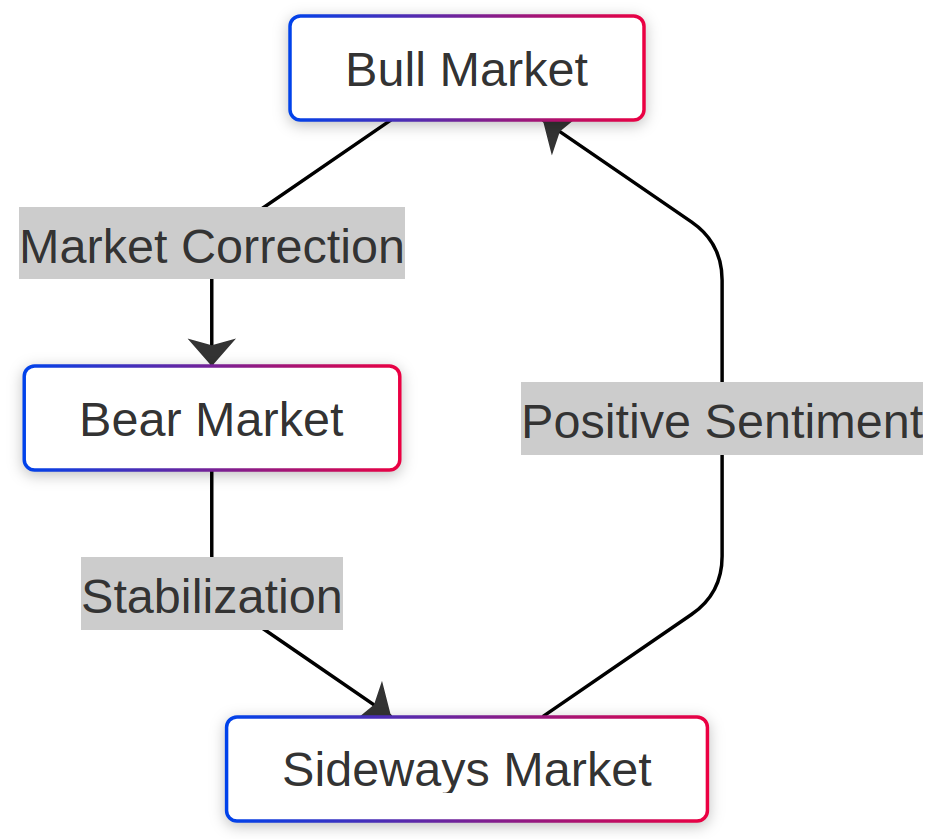
Cryptocurrency markets tend to move in cycles, often more pronounced than traditional markets due to their speculative nature.
The Four Phases of a Market Cycle
1. Accumulation Phase
- Occurs after a market has bottomed out.
- Prices are relatively stable; smart money begins to enter.
- Low volume and minimal public interest.
2. Markup Phase
- Prices start to rise as confidence returns.
- Increasing volume and media coverage.
- More investors enter the market.
3. Distribution Phase
- Market sentiment shifts from optimism to greed.
- Prices reach a peak; signs of overvaluation appear.
- High volume as early investors start taking profits.
4. Markdown Phase
- Prices decline rapidly due to selling pressure.
- Panic and negative sentiment dominate.
- Cycle completes and may start anew with accumulation.

Applying Cycle Analysis
- Timing Entry and Exit: Recognize which phase the market is in to make informed decisions.
- Risk Management: Adjust your strategies according to the cycle to mitigate risks.
- Emotional Control: Avoid falling prey to FOMO (Fear of Missing Out) or panic selling.
3.3. Factors Influencing Cryptocurrency Prices
Fundamental Analysis
Evaluating the intrinsic value of a cryptocurrency based on:
- Utility and Use Case: The practical applications of the cryptocurrency.
- Development Activity: Progress and innovation within the project's ecosystem.
- Adoption Rates: Number of users, transactions, and partnerships.
- Economic Models: Tokenomics, including supply mechanisms and incentives.
Technical Analysis
Using historical price data and charts to predict future movements:
- Trend Analysis: Identifying patterns and trends over time.
- Support and Resistance Levels: Price points where the market historically reacts.
- Indicators: Tools like Moving Averages, RSI (Relative Strength Index), and MACD (Moving Average Convergence Divergence).
Market Sentiment
Public perception can drive prices up or down:
- News and Media: Positive or negative coverage influences investor behavior.
- Social Media Trends: Platforms like Twitter, Reddit, and Telegram can amplify sentiments.
- Influencer Opinions: Statements from prominent figures can cause significant market reactions.
Regulatory News
Changes in laws and regulations can impact:
- Market Access: Restrictions or bans in certain countries.
- Investor Confidence: Clarity or uncertainty in legal frameworks.
- Institutional Participation: Regulations can either encourage or deter large-scale investment.
3.4. The Role of Bitcoin and Market Correlation
Bitcoin as a Market Indicator
- Dominance: Bitcoin often sets the trend for the entire crypto market.
- Correlation: Many altcoins move in tandem with Bitcoin's price movements.
- Market Sentiment: Bitcoin's performance can influence overall investor confidence.
Understanding Correlations
- Positive Correlation: Assets move in the same direction.
- Negative Correlation: Assets move in opposite directions.
- No Correlation: Assets move independently.
Diversification Considerations
- Asset Allocation: Diversify across assets with low or negative correlations to reduce risk.
- Portfolio Management: Monitor correlations as they can change over time.
3.5. Market Manipulation and Its Impact
Common Manipulation Tactics
- Pump and Dump Schemes: Coordinated efforts to inflate a coin's price before selling off.
- Wash Trading: Artificially inflating trading volumes to create a false sense of activity.
- Spoofing and Layering: Placing large orders without the intention of executing them to influence prices.
Protecting Yourself
- Due Diligence: Research thoroughly before investing.
- Avoid Illiquid Markets: Thinly traded assets are more susceptible to manipulation.
- Stay Informed: Follow reputable news sources and be cautious of sensational claims.
3.6. Psychological Factors and Behavioral Economics
Cognitive Biases in Trading
- Confirmation Bias: Favoring information that confirms existing beliefs.
- Herd Mentality: Following the crowd without independent analysis.
- Overconfidence: Overestimating one's ability to predict market movements.
Emotional Discipline
- Fear and Greed Index: A tool to gauge market emotions.
- Developing a Plan: Stick to predefined strategies to minimize emotional decisions.
- Mindfulness Practices: Techniques to remain calm and focused.
3.7. Importance of Fundamental Research
Evaluating Projects
- Team and Advisors: Assess the credibility and experience of the team.
- Whitepapers and Roadmaps: Review the project's vision and planned developments.
- Community Engagement: Active and supportive communities can indicate a healthy project.
Red Flags to Watch For
- Lack of Transparency: Opaque information about the team or technology.
- Unrealistic Promises: Guarantees of high returns with little risk.
- Poor Communication: Infrequent updates or evasive answers to questions.
3.8. Utilizing Data and Analytics Tools
On-Chain Analysis
- Blockchain Explorers: Tools like Etherscan to view transactions and wallet activities.
- Whale Watching: Monitoring large transactions that could signal market moves.
- Network Metrics: Analyzing data like hash rate, active addresses, and transaction volumes.
Market Data Platforms
- Price Trackers: Websites like CoinMarketCap and CoinGecko for real-time data.
- Analytics Tools: Platforms offering advanced charts and market insights.
3.9. Staying Informed and Continuing Education
Reputable News Sources
- Industry Publications: Coindesk, Decrypt, The Block.
- Official Announcements: Follow project blogs and official channels.
Community Engagement
- Forums and Discussion Groups: Participate in Reddit, Telegram, and Discord communities.
- Webinars and Podcasts: Stay updated with expert opinions and analyses.
Regulatory Updates
- Government Releases: Monitor official statements from regulatory bodies.
- Legal Analysis: Consult summaries and interpretations from legal experts in the crypto space.
3.10. Practical Steps to Apply Your Understanding
- Define Your Strategy: Based on your understanding of the market, create a clear investment plan.
- Set Realistic Expectations: Aim for sustainable growth rather than quick wins.
- Risk Management: Use stop-loss orders, diversify, and only invest what you can afford to lose.
- Continuous Learning: The crypto market evolves rapidly; staying informed is crucial.
4. Liquidity Pools and Decentralized Exchanges
n the decentralized finance (DeFi) ecosystem, liquidity pools and decentralized exchanges (DEXs) play a pivotal role in enabling seamless trading and financial operations without intermediaries. Understanding how these components function is essential for anyone looking to participate as a liquidity provider and build a profitable DeFi business.
4.1. Understanding Liquidity
What Is Liquidity?
Liquidity refers to the ease with which an asset can be bought or sold in the market without affecting its price. High liquidity implies that there are ample buyers and sellers, allowing for smooth transactions.
- Importance in Markets: Liquidity ensures that traders can enter and exit positions easily.
- In DeFi: Liquidity is crucial for the functioning of DEXs, where users rely on liquidity pools to execute trades.
4.2. Introduction to Decentralized Exchanges (DEXs)
What Are DEXs?
Decentralized exchanges are platforms that facilitate peer-to-peer trading of cryptocurrencies without the need for intermediaries. They operate through smart contracts on blockchain networks.
- No Central Authority: Users maintain control of their funds at all times.
- Transparency: All transactions are recorded on the blockchain.
- Accessibility: Anyone with a compatible wallet can participate.
Advantages of DEXs
- Security: Reduced risk of exchange hacks since users hold their own keys.
- Privacy: No need for extensive personal information or KYC processes.
- Censorship Resistance: Difficult for any entity to restrict access or manipulate markets.
4.3. Automated Market Makers (AMMs)
From Order Books to AMMs
Traditional exchanges use order books to match buy and sell orders. DEXs introduced Automated Market Makers (AMMs) to facilitate trading without order books.
- Order Books: Require matching orders, which can be inefficient in low-liquidity markets.
- AMMs: Use mathematical formulas to price assets based on the ratio of tokens in a liquidity pool.
How AMMs Work
AMMs rely on liquidity pools where users supply pairs of tokens.
- Pricing Algorithm: Commonly the Constant Product Formula x×y=k, where x and y are the quantities of two tokens, and k is a constant.
- Trade Execution: Swaps adjust the token ratios, changing the price according to the formula.
- Liquidity Providers (LPs): Users who supply tokens to pools and earn a share of trading fees.

4.4. Uniswap and Its Evolution
Uniswap is one of the most prominent DEXs, pioneering the AMM model.
Uniswap v1
- Launched: November 2018.
- Features: Simple pools with ETH and a single ERC-20 token.
- Limitations: Required ETH as one side of every pair, less efficient.
Uniswap v2
- Improvements:
- Direct ERC-20 Pairs: Allowed any two ERC-20 tokens to form a pool.
- Price Oracles: Introduced time-weighted average prices for external use.
- Functionality: Enhanced flexibility and utility.
Uniswap v3
- Liquidity Concentration: LPs can allocate liquidity within specific price ranges.
- Multiple Fee Tiers: Choose between different fee levels based on risk.
- Capital Efficiency: Improved returns for LPs by focusing liquidity where it's most needed.
Key Concepts in Uniswap
- Constant Product Formula: x×y=k ensures that trades adjust prices smoothly.
- Slippage: The difference between expected and executed trade prices due to liquidity constraints.
- Impermanent Loss: Temporary loss relative to holding tokens due to price divergence.
4.5. Providing Liquidity
Becoming a Liquidity Provider
To provide liquidity:
- Select a Pool: Choose a token pair and platform (e.g., Uniswap v3).
- Deposit Tokens: Supply equal value amounts of both tokens to the pool.
- Define Price Range (Uniswap v3): Specify the price range where your liquidity will be active.
- Earn Fees: Collect a proportion of the trading fees generated in your price range.
Considerations for LPs
- Impermanent Loss: Understand the risks if token prices move significantly.
- Fee Earnings: Higher fees can offset impermanent loss in volatile markets.
- Capital Allocation: Concentrated liquidity can increase capital efficiency but may require active management.
4.6. Fees and Earnings
Fee Structures
- Fixed Fees: Common fee tiers are 0.05%, 0.3%, and 1% per trade.
- Distribution: Fees are distributed proportionally to LPs based on their share of the pool.
Calculating Returns:
- APR (Annual Percentage Rate): Estimates yearly returns based on current fees and liquidity.
- Factors Influencing Earnings:
- — Trading Volume: More volume equals more fees.
- — Liquidity Depth: Less liquidity can mean a higher share of fees but may increase slippage.
- — Price Range: Concentrated liquidity can enhance returns within active ranges.
4.7. Managing Risks
Impermanent Loss
- Definition: Loss compared to holding tokens outside the pool due to price changes.
- Mitigation Strategies:
- — Stablecoin Pairs: Less volatile pairs reduce impermanent loss.
- — Active Management: Adjusting positions as market conditions change.
- — Earning Fees: High fees can compensate for impermanent loss over time.
Smart Contract Risks
- Vulnerabilities: Bugs or exploits can lead to loss of funds.
- Safety Measures:
- — Reputable Platforms: Use well-established DEXs with audited contracts.
- — Diversification: Spread liquidity across multiple pools or platforms.
4.8. Slippage and Price Impact
Understanding Slippage
- Definition: The difference between the expected price of a trade and the price at which it is executed.
- Causes:
- — Low Liquidity: Insufficient liquidity leads to larger price movements per trade.
- — Large Trade Sizes: Big orders relative to pool size increase slippage.
Reducing Slippage
- Trade in High-Liquidity Pools: Larger pools can handle bigger trades with minimal price impact.
- Break Up Trades: Execute large trades in smaller increments.
- Set Slippage Tolerance: Use DEX settings to limit acceptable slippage.
4.9. Routing and Aggregators
Trade Routing
- Multiple Pools: DEXs may route trades through several pools to find the best price.
- Impact on LPs: Being part of popular routes can increase fee earnings.
DEX Aggregators
- Function: Platforms that search across multiple DEXs to find the best trading rates.
- Examples: 1inch, Matcha, Paraswap.
- Benefits:
- — Better Prices: By splitting orders across platforms.
- — Increased Volume: Can bring more trades to pools, benefiting LPs.
4.10. Participating Effectively as an LP
Research and Selection
- Token Analysis: Evaluate the tokens in the pool for potential risks and returns.
- Platform Choice: Consider fees, user interface, and community support.
Monitoring and Adjusting Positions
- Track Performance: Use tools to monitor earnings and impermanent loss.
- Rebalance as Needed: Adjust liquidity ranges or amounts based on market movements.
Tools and Resources
- Analytics Platforms: Dune Analytics, DeFi Pulse, Zerion.
- Portfolio Trackers: Zapper.fi, Debank, Zerion.
- Community Forums: Join discussions on Reddit, Discord, or Telegram groups.
4.11. Example Scenario
Providing Liquidity on Uniswap v3
- Choose a Pair: USDC/ETH with a 0.3% fee tier.
- Define Price Range: Set between $1,500 and $2,000 per ETH.
- Deposit Funds: Supply equivalent value in USDC and ETH.
- Monitor: Track pool performance and adjust range if ETH price moves outside your set range.
- Collect Fees: Claim accumulated fees periodically.
4.12. Advantages of Being a Liquidity Provider
- Passive Income Potential: Earn fees without active trading.
- Support DeFi Ecosystem: Facilitate trading and contribute to market efficiency.
- Capital Efficiency: Especially with concentrated liquidity, maximize returns on your capital.
4.13. Challenges and Considerations
- Active Management: Concentrated liquidity may require more frequent adjustments.
- Market Volatility: Price swings can lead to impermanent loss.
- Regulatory Risks: Stay informed about legal developments affecting DeFi activities.
5. Risks and How to Mitigate Them
While decentralized finance (DeFi) offers exciting opportunities for earning and innovation, it also comes with its share of risks. Understanding these risks is crucial for protecting your investments and making informed decisions. In this section, we'll explore the common risks associated with DeFi and provide strategies to mitigate them.
5.1. Impermanent Loss
What Is Impermanent Loss?
Impermanent loss occurs when the value of tokens deposited in a liquidity pool changes compared to simply holding them in your wallet. It's the difference in value between holding tokens versus providing them as liquidity.
- Cause: Price divergence between the two tokens in a pool.
- Effect: Potential loss relative to holding, which may be offset by trading fees earned.
Example Scenario
- Initial Deposit: 1 ETH (worth $2,000) and 2,000 USDC (worth $2,000).
- Price Change: ETH increases to $3,000.
- Outcome: The pool rebalances, and you end up with less ETH and more USDC, resulting in a lower total value compared to simply holding.
Mitigation Strategies
- Choose Stablecoin Pairs: Less volatile pairs reduce the risk of significant price divergence.
- Active Management: Monitor and adjust your positions as market conditions change.
- Fee Optimization: High trading fees can offset impermanent loss over time.
- Use Impermanent Loss Calculators: Tools to estimate potential losses before committing funds.
5.2. Smart Contract Risks
Vulnerabilities and Exploits
Smart contracts are immutable once deployed, and bugs or vulnerabilities can be exploited by malicious actors.
- Examples of Risks:
- — Reentrancy Attacks: Exploiting contract functions to drain funds.
- — Flash Loan Attacks: Manipulating market conditions using quick, unsecured loans.
- — Logic Errors: Faulty code leading to unintended behavior.
Mitigation Strategies
- Audit Verification: Use platforms that have undergone rigorous security audits by reputable firms.
- Open-Source Code: Preference for protocols with transparent and publicly reviewed code.
- Diversification: Spread investments across multiple platforms to minimize impact.
- Stay Updated: Follow official channels for security announcements and updates.
5.3. Regulatory Risks
Legal Uncertainty
DeFi operates in a rapidly evolving legal landscape, and regulations can impact operations and investments.
- Potential Issues:
- — Compliance Requirements: New laws may impose KYC/AML obligations.
- — Bans or Restrictions: Governments may restrict access to certain platforms.
- — Tax Implications: Changing tax laws affecting crypto transactions.
Mitigation Strategies
- Stay Informed: Keep abreast of legal developments in your jurisdiction.
- Consult Professionals: Seek advice from legal and tax experts specialized in crypto.
- Compliance Practices: Adhere to best practices even if not currently mandated.
5.4. Market Volatility
Price Fluctuations
Cryptocurrencies are known for their high volatility, which can impact the value of your investments.
- Risks Include:
- — Rapid Price Drops: Leading to significant losses.
- — Liquidation Risks: In leveraged positions or collateralized loans.
- — Slippage: Larger-than-expected price changes during trades.
Mitigation Strategies
- Risk Management: Only invest what you can afford to lose.
- Use Stop-Loss Orders: Automatically sell assets at predetermined price points.
- Diversification: Spread investments across different assets and sectors.
- Stablecoins: Allocate a portion of your portfolio to stable assets to reduce overall volatility.
5.5. Platform and Protocol Risks
Centralization Points
Despite the decentralized nature of DeFi, some platforms have centralized elements that pose risks.
- Examples:
- — Admin Keys: Developers holding keys that can alter contracts.
- — Oracles: Reliance on single sources of data can lead to manipulation.
- — Governance Risks: Majority token holders can make decisions that affect the protocol.
Mitigation Strategies
- Research Decentralization Level: Evaluate how decentralized a platform truly is.
- Community Governance: Prefer protocols with distributed governance models.
- Oracle Security: Use platforms that implement decentralized or multiple oracles.
5.6. Phishing and Scams
Social Engineering Attacks
Attackers may attempt to deceive users into revealing private keys or seed phrases.
- Common Tactics:
- — Fake Websites: Imitating legitimate platforms to steal credentials.
- — Phishing Emails: Urging urgent action to secure your account.
- — Impersonation: Fraudulent support agents offering assistance.
Mitigation Strategies
- Verify URLs: Double-check website addresses before entering sensitive information.
- Never Share Private Keys: No legitimate platform will ask for your private keys or seed phrases.
- Use Bookmark Links: Save official sites to avoid typosquatting domains.
- Enable Security Features: Use hardware wallets and enable two-factor authentication where possible.
5.7. Liquidity Risks
Low Liquidity Pools
Participating in pools with low liquidity can pose challenges.
- Risks:
- — High Slippage: Price impact is greater when trading volumes are low.
- — Difficulty Exiting Positions: Harder to withdraw funds without affecting prices.
Mitigation Strategies
- Assess Pool Depth: Check total value locked (TVL) before participating.
- Prefer Established Pools: Larger pools generally offer better liquidity.
- Monitor Activity: Regularly check trading volumes and liquidity changes.
5.8. Front-Running and MEV (Miner Extractable Value)
Understanding MEV
Miners or validators may prioritize or reorder transactions for profit.
- Risks:
- — Front-Running: Someone sees your transaction and executes a similar one before you.
- — Sandwich Attacks: Transactions placed before and after yours to manipulate prices.
Mitigation Strategies
- Use Private Transactions: Some platforms offer ways to submit transactions privately.
- Set Slippage Tolerance: Adjust settings to limit the impact of front-running.
- Be Mindful of Gas Fees: Higher fees can sometimes help prioritize your transaction.
5.9. Collateral Risks in Lending Platforms
Over-Collateralization Requirements
Lending platforms require collateral to secure loans, but fluctuations can lead to liquidation.
- Risks:
- — Margin Calls: If collateral value drops, additional funds may be needed.
- — Forced Liquidation: Collateral sold off if value falls below thresholds.
Mitigation Strategies
- Monitor Collateral Ratios: Keep an eye on the health factor of your positions.
- Maintain Buffer: Provide extra collateral to cushion against price swings.
- Set Alerts: Use tools to notify you of critical changes in collateral value.
5.10. Time Risks and Gas Fees
Network Congestion
High demand can lead to increased transaction fees and delays.
- Risks:
- — Failed Transactions: Due to insufficient gas fees.
- — Higher Costs: Eats into profits from liquidity providing.
Mitigation Strategies
- Plan Transactions: Execute during off-peak times when fees are lower.
- Layer 2 Solutions: Utilize platforms built on Layer 2 networks with lower fees.
- Monitor Gas Prices: Use tools like ETH Gas Station to find optimal times.
5.11. Strategies for Overall Risk Management
Education and Research
- Continuous Learning: Stay updated on the latest developments and best practices.
- Community Engagement: Participate in forums and discussions to share knowledge.
Diversification
- Asset Allocation: Don't put all your funds into a single platform or token.
- Portfolio Balance: Mix high-risk and low-risk investments.
Use of Reputable Platforms
- Track Record: Prefer platforms with a proven history and strong community support.
- Audits and Security Measures: Check for third-party audits and robust security protocols.
Set Clear Investment Goals
- Define Risk Tolerance: Understand how much you're willing to lose.
- Exit Strategies: Plan when to take profits or cut losses.
5.12. Insurance Options in DeFi
DeFi Insurance Protocols
Some platforms offer insurance products to protect against specific risks.
- Examples: Nexus Mutual, Cover Protocol, InsurAce.
How It Works
- Purchase Coverage: Pay a premium to cover potential losses.
- Claims Process: In the event of a loss, submit a claim for compensation.
Considerations
- Coverage Scope: Understand what is and isn't covered.
- Cost vs. Benefit: Weigh the premiums against potential risks.
5.13. Emotional and Psychological Risks
Fear and Greed
Emotions can lead to irrational decisions.
- Risks:
- — Overtrading: Frequent buying and selling based on emotions.
- — Holding Losses: Reluctance to sell losing positions due to attachment.
Mitigation Strategies
- Stick to Your Plan: Follow your predefined strategy.
- Set Realistic Expectations: Avoid get-rich-quick mentality.
- Mindfulness Practices: Techniques to maintain emotional balance.
Conclusion of Part One
We've journeyed through the foundational aspects of building a successful DeFi business. By exploring the reality of the crypto market, understanding the principles of decentralized finance, delving into the mechanics of liquidity pools and decentralized exchanges, and examining the various risks and how to mitigate them, you're now equipped with the essential knowledge to navigate the DeFi landscape confidently.
What's Next?
In the next article, we'll transition from foundational knowledge to practical application. We'll cover:
- Designing Your DeFi Business Plan: Evaluating your investor profile, setting clear and achievable goals, and creating a personalized cash flow model.
- Executing the Plan: Setting up and organizing your wallets, adding liquidity to chosen pools, and selecting appropriate tokens and platforms.
- Managing and Monitoring Your DeFi Business: Utilizing tools and strategies to track performance, adjust your positions, and maintain effective records.
- Optimizing and Improving: Implementing backtesting methods, identifying new opportunities, and exploring advanced strategies such as hedging and delta-neutral positions.
- Building a Structured Routine: Planning your daily, weekly, and monthly activities to efficiently manage and grow your business.
Stay tuned for these actionable insights and step-by-step guides that will empower you to turn your knowledge into a thriving DeFi business.
Annex: Useful Links from This Article
Below is a compilation of all the useful links mentioned throughout this article to aid you in further exploration and understanding.
1. Blockchain Explorers
2. Market Data Platforms
- CoinMarketCap — Cryptocurrency prices and market capitalizations.
- CoinGecko — Cryptocurrency market data and rankings.
3. Analytics and Tracking Tools
- DeFi Pulse — DeFi analytics and rankings.
- Dune Analytics — Custom blockchain data and analytics.
- Zapper.fi — DeFi portfolio management.
- DeBank — DeFi wallet and portfolio tracker.
- Zerion — DeFi investment interface and portfolio tracker.
4. Decentralized Exchanges (DEXs)
- Uniswap — Leading decentralized exchange on Ethereum.
- SushiSwap — Community-driven DEX and DeFi platform.
- PancakeSwap — DEX on Binance Smart Chain.
5. DeFi Aggregators
- 1inch — DEX aggregator for finding the best trade prices.
- Matcha — DEX aggregator with a user-friendly interface.
- ParaSwap — Aggregator for efficient token swaps.
6. Impermanent Loss Calculators
- Impermanent Loss Calculator by Daily DeFi — Tool to estimate impermanent loss.
7. Gas Price Trackers
- ETH Gas Station — Ethereum gas price tracker.
8. Security and Audit Resources
- CertiK — Blockchain security and smart contract auditing.
- Quantstamp — Blockchain security audits.
- OpenZeppelin — Secure smart contract development framework.
9. DeFi Insurance Protocols
- Nexus Mutual — DeFi insurance platform.
- Cover Protocol — Peer-to-peer coverage market.
- InsurAce — DeFi insurance for multiple protocols.
10. Community and Discussion Platforms
- Reddit Cryptocurrency — Community discussions on crypto topics.
- Ethereum Stack Exchange — Technical Q&A for Ethereum.
- Discord DeFi Channels — Various servers dedicated to DeFi discussions.
11. Educational Resources
- DeFi Tutorials by DeFi Pulse — Beginner guides and tutorials.
- Ethereum Documentation — Official Ethereum developer docs.
- Consensys Academy — Courses on blockchain and Ethereum.
- Finematics YouTube Channel — Animated videos explaining DeFi concepts.
12. Risk Assessment Tools
- Rekt Database — Database of DeFi hacks and exploits.
- DeFi Safety — Safety ratings and audits of DeFi protocols.
- Token Sniffer — Tool to analyze token contracts for potential risks.
13. Market Sentiment and Analysis
- Fear & Greed Index for Bitcoin and Crypto — Measures market sentiment.
- Glassnode — On-chain market intelligence.
By leveraging these resources, you can deepen your knowledge, stay informed, and make more educated decisions as you build and manage your DeFi business. Remember, the DeFi landscape is dynamic and rapidly evolving, so continuous learning and vigilance are key to success.
Thank you for joining us on this journey through the foundational elements of DeFi. We look forward to guiding you further in the next article, where we'll turn knowledge into action and help you build a thriving DeFi business.
source: https://raglup.medium.com/from-crypto-myths-to-defi-success-part-1-understanding-the-foundations-of-a-profitable-crypto-9c7d93389ba8


From Crypto Myths to DeFi Success: Part 2 — Designing and Executing Your Profitable Crypto Business Plan

In the first part of this series, we laid the groundwork for building a successful DeFi business by exploring:
- The realities of the crypto market and dispelling common myths.
- An introduction to decentralized finance (DeFi) and its key components.
- A deep understanding of how the crypto market operates.
- The mechanics of liquidity pools and decentralized exchanges.
- The various risks associated with DeFi and strategies to mitigate them.
With a solid foundation in place, you're now ready to take actionable steps toward creating and managing your own profitable DeFi business.
source: https://raglup.medium.com/from-crypto-myths-to-defi-success-part-2-designing-and-executing-your-profitable-crypto-5d840e3464c7
The Biggest Crypto Launch in History: Prepare Now for HyperLiquid’s HYPE Token Airdrop

The crypto community is abuzz with anticipation as one of the most awaited tokens, HYPE from the HyperLiquid project, is set to launch imminently. Alongside the launch, participants can expect one of the largest airdrops in crypto history. This event could present significant opportunities, but also requires careful preparation and understanding to navigate effectively.
Key Details About the HYPE Token Launch
The HYPE token is scheduled to launch on November 29 at 7:30 AM UTC. It's crucial to convert this time accurately to your local timezone to ensure you don't miss the event. For instance:
- London, UK (GMT): 7:30 AM (UTC +0)
- Berlin, Germany (CET): 8:30 AM (UTC +1)
- Madrid, Spain (CET): 8:30 AM (UTC +1)
- Moscow, Russia (MSK): 10:30 AM (UTC +3)
- Dubai, UAE (GST): 11:30 AM (UTC +4)
- New Delhi, India (IST): 1:00 PM (UTC +5:30)
- Beijing, China (CST): 3:30 PM (UTC +8)
- Tokyo, Japan (JST): 4:30 PM (UTC +9)
- Sydney, Australia (AEDT): 6:30 PM (UTC +11)
- New York, USA (EST): 2:30 AM (UTC -5)
- Chicago, USA (CST): 1:30 AM (UTC -6)
- Denver, USA (MST): 12:30 AM (UTC -7)
- Los Angeles, USA (PST): 11:30 PM on November 28 (UTC -8)
- Buenos Aires, Argentina (ART): 4:30 AM (UTC -3)
- São Paulo, Brazil (BRT): 4:30 AM (UTC -3)
- Cape Town, South Africa (SAST): 9:30 AM (UTC +2)
You can use time conversion tools to find the exact time in your location.
Accepting Terms and Conditions
To be eligible for the airdrop, participants must accept the terms and conditions of HyperLiquid before the deadline on November 28 at 11:59 PM UTC. If you haven't done this yet, act quickly:
- Visit the official HyperLiquid website.
- Log in to your account.
- Navigate to the terms and conditions section.
- Read and accept the terms.
Be cautious of scams — ensure you're using the official website and avoid any unsolicited messages or links.
Navigating Initial Volatility
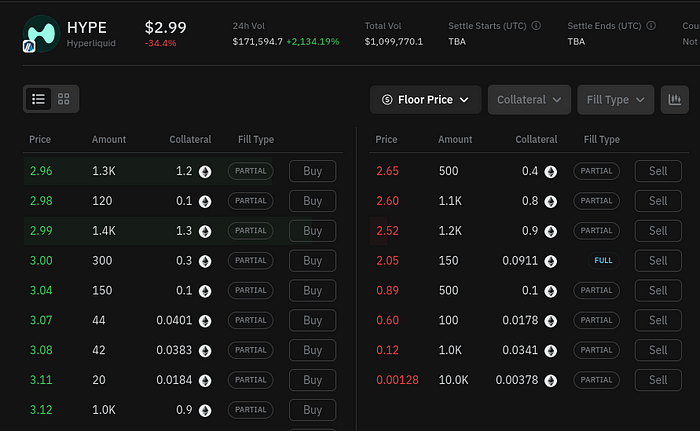
The initial moments after the token launch are expected to be highly volatile due to limited liquidity and high demand. Here are some key points to consider:
- Avoid Market Orders: Using market orders during this time can result in unfavorable prices due to slippage.
- Use Limit Orders: Set limit orders to specify the exact price at which you're willing to buy or sell.
- Beware of Low Liquidity: With limited tokens available initially, price swings can be significant.
Understanding the HYPE Token Valuation
Predicting the exact valuation of the HYPE token is challenging, but we can draw parallels with similar projects to estimate potential values.
Supply and Distribution
- Total Supply: 1,000,000,000 HYPE tokens.
- Airdrop Allocation: 31% (310,000,000 tokens).
- Token per Point: Each point accumulated in HyperLiquid equates to approximately 5.35 HYPE tokens.
Comparable Projects
- DYDX: Market Cap of around $1.1 billion.
- Jupiter Exchange: Market Cap of around $100 million.
Given HyperLiquid's features as both an exchange and a blockchain, its potential valuation could be in line with or exceed these projects.
Potential Valuation Scenarios
- Conservative Estimate: Market Cap between $500 million to $1 billion.
- — Token Price Range: Approximately $1.60 to $3.22 per HYPE token.
- — Value per Point: Roughly $8 to $17.
- Optimistic Scenario: If HyperLiquid's blockchain gains significant adoption, valuations could increase further over time.
The Importance of Having a Strategy
Entering the market without a clear plan can be risky. Here are some general guidelines to consider:
- Set Clear Goals: Determine your entry and exit points based on your risk tolerance.
- Stay Informed: Keep up-to-date with official announcements from HyperLiquid.
- Diversify Risks: Consider spreading out your transactions to mitigate volatility impacts.
- Long-Term Perspective: Recognize that the project's value may evolve as the blockchain and additional features are fully implemented.
So!
The launch of HyperLiquid's HYPE token represents a significant event in the crypto space, offering potential opportunities for participants. By preparing adequately, understanding the key details, and approaching the launch with a well-thought-out strategy, you can navigate this event more effectively.
Remember to exercise caution, avoid impulsive decisions during periods of high volatility, and always make informed choices based on thorough research.
Annex
- Terms and Conditions: HyperLiquid Genesis Terms
- HYPE Airdrop Announcement: HyperLiquid's Official Airdrop Communication
- PRE-market HYPE Price: Pro Whales
source: https://raglup.medium.com/the-biggest-crypto-launch-in-history-prepare-now-for-hyperliquids-hype-token-airdrop-c824f4738add
What is the purpose of Grass?
GetGrass is designed to enable the sharing of bandwidth via the Grass app, where users can receive Points as rewards for contributing their network resources. In the future, these Points could potentially be converted into cryptocurrency, offering users the chance to gain crypto by supporting the network. The platform's terms and conditions detail the regulations for app usage, such as age restrictions, registration necessities, and guidelines for responsible use.
The Grass app aims to support open-source AI as a decentralized platform by offering a data layer and addressing data poisoning with a ZK processor and the Grass Data Ledger. Users have generally reacted positively, commending its potential and user-friendly interface. Nevertheless, there have been some criticisms regarding transparency and data security concerns raised by certain users.
JOIN GetGrass.io Today HERE (referal link): (https://app.getgrass.io/register/?referralCode=FDyT1FDvrWqY3Cm)
Grass is a decentralized platform designed to enable users to generate passive income by sharing their unused network resources. It incorporates a ZK processor to track the origin of datasets collected on Grass, aiming to prevent data poisoning and enhance open-source AI. The Grass Data Ledger maintains a permanent record of all datasets collected, now enriched with metadata that traces their lineage from inception. Additionally, the platform includes a layer 2 solution to augment its functionality, featuring a sovereign rollup with a ZK processor that allows metadata batching for validation, thereby ensuring a continuous lineage for every dataset.
Overall, GetGrass.io offers a platform that allows users to receive cryptocurrency rewards by sharing their network resources and aiding in the growth of decentralized AI.
source: https://raglup.medium.com/earn-cash-from-your-unused-internet-connection-grass-earn-a-stake-in-the-ai-revolution-bc2050fc55a6
When Berachain Meets AI: 9 Projects Riding the Next Big Wave

Artificial Intelligence (AI) and blockchain are arguably two of the hottest narratives in tech today. With Berachain's mainnet launch just around the corner, combining AI with this innovative blockchain opens up exciting possibilities. In this article, we'll dive into nine AI-driven projects on Berachain, each offering unique use cases and solutions.

1. Baosdotfun: The Launchpad for AI DAOs
Baosdotfun acts as an incubator for AI-driven DAOs, focusing on areas like yield farming and trading strategies. Their "DAO seasons" introduce new AI agents every few months, providing fresh opportunities for users.
Key features:
- Supports multiple AI agents.
- Focus on decentralized autonomous organizations (DAOs).
Official Links:

2. Beradigm: Maximizing BGT Farming
Beradigm specializes in yield farming to accumulate BGT, a governance token central to Berachain's ecosystem. Using AI, Beradigm optimizes farming strategies to maximize returns.
Key features:
- Automated yield farming.
- Focus on accumulating BGT.
Official Links:

3. 3BC: Satirical AI Investment Firm
3BC mimics traditional investment firms, with each of its three AI agents managing different portfolios. It's a blend of humor and serious blockchain strategies.
Key features:
- Three distinct AI agents.
- Storytelling-driven marketing.
Official Links:

4. Webera Finance: Optimized Yield Strategies
Webera leverages AI to refine yield farming strategies on Berachain. Their detailed roadmap highlights how AI integrates with blockchain to maximize farming efficiency.
Key features:
- AI-driven yield optimization.
- Transparent development updates.
Official Links:

5. Berally: Social Trading with AI Agents
Berally introduces AI-powered social trading, where users can follow and replicate strategies of successful AI agents.
Key features:
- Social trading with AI.
- NFT collection for premium access.
Official Links:

6. Bera.tv: AI-Powered Streaming Platform
Bera.tv creates personalized TV channels using AI. Users can establish their own broadcasting networks, blending content creation with blockchain technology.
Key features:
- AI-based content curation.
- Unique approach to decentralized streaming.
Official Links:

7. HoneyFun AI: Launchpad for AI Tokens
HoneyFun AI simplifies the creation and launch of AI-related tokens. Their platform streamlines the token generation process and supports a growing ecosystem.
Key features:
- AI-driven token creation.
- Accessible launchpad for new projects.
Official Links:

8. Narralayer: Storytelling through AI
Narralayer uses AI to generate immersive stories and comics based on Berachain's lore. It's an innovative way to combine blockchain with creative storytelling.
Key features:
- AI-generated narratives.
- NFT collections for unique story arcs.
Official Links:

9. Tierra: Specialized DAOs with AI
Tierra develops DAOs tailored for specific purposes, such as fund management and yield farming. Each DAO is equipped with AI to ensure efficiency and accuracy.
Key features:
- AI-enhanced DAOs.
- Versatile use cases.
Official Links:
Conclusion
The synergy between AI and blockchain is paving the way for groundbreaking projects, and Berachain is at the forefront of this innovation. From yield farming optimizations to AI-driven storytelling, these nine projects demonstrate the immense potential of combining these two narratives.
Which of these projects excites you the most? Let us know in the comments below!
source: https://raglup.medium.com/berachain-ai-9-hot-projects-revolutionizing-blockchain-and-artificial-intelligence-466ed23da4ae?source=rss-f56f44caad34------2
Wednesday, January 8, 2025
Unlocking Crypto Wealth: The Power of Farming, Staking, and Compounding Returns
Cryptocurrencies have revolutionized financial markets, presenting opportunities that can lead to substantial profits. While "getting rich overnight" with crypto is a misleading dream for many, systematic and well-informed strategies can set you on the path to financial freedom. This article will demystify the world of crypto farming, staking, and compounded returns, offering a clear, actionable guide for both beginners and seasoned investors.
Four Main Crypto Investment Strategies
Here's an overview of the primary ways to earn money with cryptocurrencies:
1. HODLing (Long-Term Holding)
HODLing involves buying cryptocurrencies like Bitcoin or Ethereum and holding them for an extended period, regardless of market fluctuations. This method is ideal for:
- Investors looking for lower-risk, steady returns.
- Those who believe in the long-term potential of specific coins.
2. Trading
Trading focuses on short-term price movements. While it offers potential for quick profits, it requires:
- In-depth technical analysis.
- Emotional discipline to handle losses.
- High levels of market understanding.
⚠️ Warning: Statistics show that most traders lose money due to lack of experience and emotional decision-making.
3. Staking and Farming
- Staking: Earn passive income by locking your tokens in a network to secure its blockchain. Rewards usually range from 5% to 10% annually.
- Farming: Provide liquidity to decentralized exchanges (DEXs) and earn rewards from transaction fees. Though riskier than staking, farming offers significantly higher returns.
4. Airdrops
Earn free tokens by participating in promotional campaigns for new crypto projects. Airdrops are especially beneficial for investors with minimal capital.
Farming and Staking: The Heart of Passive Income
Farming and staking are among the most effective ways to generate passive income in the cryptocurrency space. These strategies allow you to make your crypto assets work for you, rather than sitting idle in your wallet. Let's dive deeper into these concepts to understand their benefits and mechanics.
What is Staking?
Staking involves locking your cryptocurrencies into a blockchain network to support its operations, such as validating transactions. In return, you receive rewards, usually in the form of more tokens.
- Purpose: Staking secures the blockchain and maintains its functionality.
- Rewards: Typically, the annual percentage yield (APY) ranges from 5% to 10%.
- Best for: Investors looking for low-risk, stable returns.
Example:
If you stake $10,000 worth of a cryptocurrency with a 10% APY, you would earn $1,000 by the end of the year.
What is Farming?
Farming (or yield farming) is a more advanced strategy where you provide liquidity to decentralized exchanges (DEXs) and earn a share of the transaction fees generated by traders.
- Purpose: Enhance liquidity for trading pairs on DEXs.
- Rewards: Yield farming often offers much higher returns than staking, sometimes exceeding 100% APY. However, it also comes with higher risks, including impermanent loss and market volatility.
- Best for: Experienced investors who understand liquidity pools and risk management.
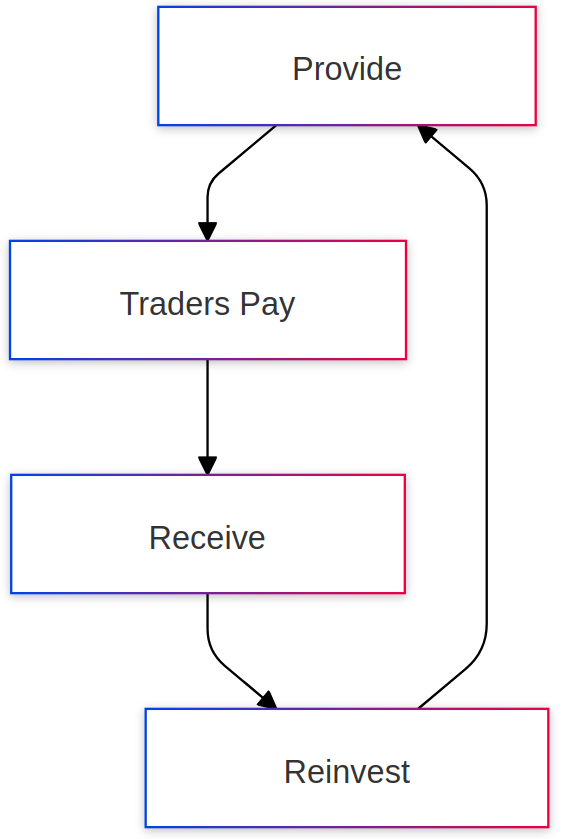
The Mechanics of Yield Farming
Here's how farming works step-by-step:
- Pair Cryptocurrencies
Choose two cryptocurrencies to pair (e.g., ETH and USDT) and provide liquidity to their trading pool. - Earn Rewards
As traders swap between these assets, they pay transaction fees, which are distributed to liquidity providers like you. - Reinvest Rewards
Use your rewards to compound your returns by reinvesting them back into the liquidity pool.
The flow of farming is illustrated below:
Steps to Start Farming
1. Selecting a Blockchain and Exchange
- Use reliable DEXs like Uniswap, PancakeSwap, or Orca.
- Ensure the platform has high trading volume and security.
2. Providing Liquidity
- Pair two assets, such as Bitcoin and Ethereum.
- Deposit them into a liquidity pool, earning transaction fees.
3. Managing Risk
Beware of:
- Impermanent Loss: A temporary loss in asset value due to market volatility.
- Hacks or Rug Pulls: Only use reputable DEXs with a strong track record.
4. Automating the Process
Platforms like Beefy Finance simplify farming by automating reinvestment and range adjustments.
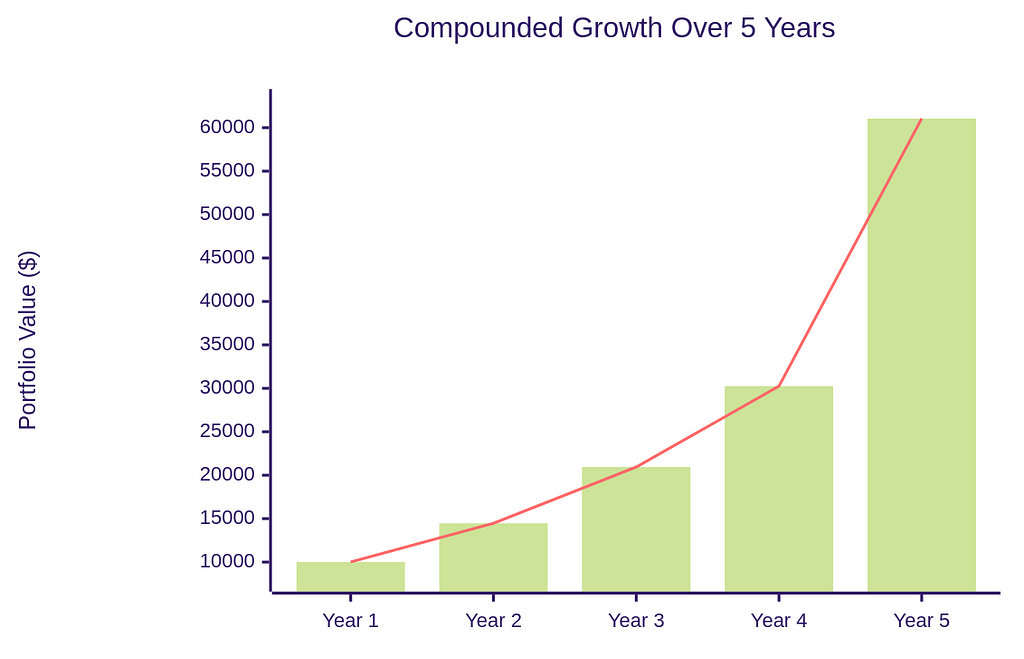
The Power of Compounding
Compounding is what transforms farming from a modest income stream into a powerful wealth-building tool. By regularly reinvesting your farming rewards, your earnings grow exponentially over time.
Example with Daily Interest:
- Initial Investment: $10,000
- Daily Interest: 0.1%
- After 5 Years: $10,000 grows to $61,051 with consistent reinvestment.
Key Risks to Manage
While farming and staking offer excellent opportunities, it's essential to understand the risks involved:
1. Impermanent Loss
When the price of the assets in your liquidity pair changes significantly, the pool automatically rebalances. This can lead to a temporary loss in the value of your holdings compared to simply holding the tokens.
How to Mitigate:
- Use stablecoin pairs (e.g., USDT/USDC) to minimize price fluctuations.
2. Hacks and Rug Pulls
The decentralized nature of DEXs makes them a target for hackers. Additionally, malicious developers can execute rug pulls, draining liquidity pools and leaving investors with nothing.
How to Mitigate:
- Stick to established DEXs like Uniswap or PancakeSwap.
- Research project teams and their security audits.Select pairs with historically low volatility.
Best Practices for Success
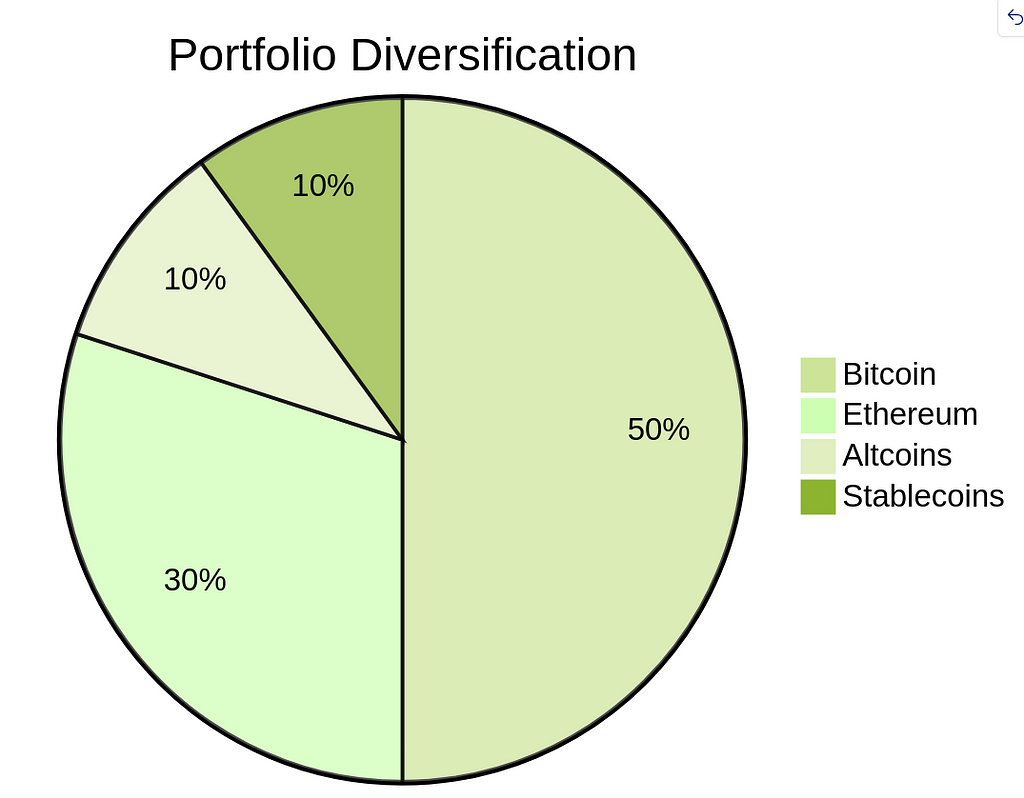
Diversify Investments
Four Core Principles for Success
- Patience and Consistency
Compounding takes time. Don't expect immediate results — stay consistent, and let time amplify your earnings. - Market Adaptability
Crypto markets evolve rapidly. Reassess your strategies periodically and adjust your liquidity pools based on current opportunities. - Tool Cryptocurrencies as Tools
In farming, cryptocurrencies are not for sentimental attachment. Choose pairs based on their return potential, not personal preference. - Diversification
Spread your investments across multiple pairs, exchanges, and blockchains to mitigate risk.
Farming and staking represent two sides of the passive income coin. Staking offers lower risks with stable returns, while farming provides higher rewards at the cost of increased complexity and risk. With the power of compounding, even small investments can grow into substantial wealth over time.
To succeed, remember to:
- Start small and gradually scale up as you learn.
- Diversify and manage risks effectively.
- Stay patient and consistent.
Cryptocurrency investing is not just about profits — it's about building a sustainable, long-term strategy. Happy farming!
source: https://raglup.medium.com/unlocking-crypto-wealth-the-power-of-farming-staking-and-compounding-returns-0f8b66f99298?source=rss-f56f44caad34------2
Bitcoin vs. Gold: Why the Digital Asset is Crushing the Traditional Safe Haven

For decades, gold has been revered as a reliable store of value, offering stability in times of economic uncertainty. However, a new contender, Bitcoin, has entered the arena and is rapidly challenging gold's dominance. In this article, we will explore the dynamics between these two assets, the reasons behind Bitcoin's rise, and its potential to become the ultimate reserve currency.
Gold's Longstanding Dominance
Gold has historically been the go-to asset for hedging against inflation and maintaining wealth during economic downturns. Its physical properties — scarcity, durability, and divisibility — have made it an ideal store of value. Yet, despite its resilience against fiat currencies, gold now faces competition from Bitcoin, a purely digital asset.

Bitcoin's Meteoric Rise
Over the years, Bitcoin has showcased several attributes that position it as a potential successor to gold:
- Scarcity: Bitcoin's supply is capped at 21 million coins, a hard limit enforced by its underlying code. Gold, in contrast, remains abundant in the Earth's crust and even in space, with new deposits becoming viable as its price rises.
- Portability: Unlike gold, which is bulky and costly to transport, Bitcoin is weightless and can be transferred globally within minutes.
- Liquidity: Bitcoin can be bought, sold, or traded instantly on digital platforms without the need for intermediaries such as brokers or banks.
Visualizing Bitcoin vs. Gold

The Trump Effect and Market Trends
A pivotal moment in Bitcoin's recent history was the correlation with political developments in the U.S. During Donald Trump's presidency, pro-Bitcoin sentiments emerged, driven partly by statements from his son, Eric Trump. Eric's advocacy highlighted Bitcoin's potential to complement traditional hard assets like real estate, emphasizing its liquidity, borderless nature, and immunity to government manipulation.
Eric Trump's argument underscores Bitcoin's scarcity as a major strength. Unlike gold, whose supply can increase as prices rise, Bitcoin's fixed supply ensures its value remains undiluted. As more institutional players adopt Bitcoin, its status as a digital gold continues to solidify.
Gold vs. Bitcoin: A Comparative Analysis

Theoretical Strategies: National Reserves
A growing theory suggests that nations could shift from gold reserves to Bitcoin to strengthen their financial positions. Advocates argue that selling gold to accumulate Bitcoin would:
- Appreciate Bitcoin's value due to limited supply.
- Dilute gold's market dominance, especially affecting countries like Russia and China, which hold significant gold reserves.
- Bolster the reserves of early Bitcoin adopters like the U.S.
Flow of Wealth Simulation

While this scenario is speculative, it highlights the strategic importance of Bitcoin in geopolitics.
Challenges for Bitcoin
Despite its advantages, Bitcoin faces challenges:
- Volatility: Bitcoin's price remains highly volatile compared to gold.
- Adoption Risks: Governments and institutions may hesitate to fully embrace a relatively new technology.
- Regulatory Concerns: Stricter regulations could impact its usability and appeal.
Conclusion: A New Era of Value
Bitcoin's journey from a niche digital currency to a contender for global reserve asset is remarkable. While it's premature to declare it the outright successor to gold, its potential is undeniable. Whether as a store of value, a hedge against inflation, or a geopolitical asset, Bitcoin is reshaping our understanding of wealth and value.
As nations and institutions adapt, the dynamics between Bitcoin and gold will continue to evolve, offering new opportunities and challenges. The question remains: Will Bitcoin fulfill its promise and redefine the concept of a safe haven, or will gold retain its crown in the age of digital finance?
source: https://raglup.medium.com/bitcoin-vs-gold-why-the-digital-asset-is-crushing-the-traditional-safe-haven-4bef2508bdd9?source=rss-f56f44caad34------2